From vaulted past to workplace future
COMMERCIAL, RETROFIT
We use cookies.
Cookie Settings
We use cookies on our website to give you the most relevant experience by remembering your preferences and repeat visits.
Strictly Necessary
Necessary cookies are absolutely essential for the website to function properly. These cookies ensure basic functionalities and security features of the website, anonymously.
Analytical or performance
Analytical cookies are used to understand how visitors interact with the website. These cookies help provide information on metrics the number of visitors, bounce rate, traffic source, etc.
Functionality or appearance
Functional cookies help to perform certain functionalities like sharing the content of the website on social media platforms, collect feedbacks, and other third-party features.
No results found
COMMERCIAL, RETROFIT
Client
Location
Size
Status
Sector
Discipline
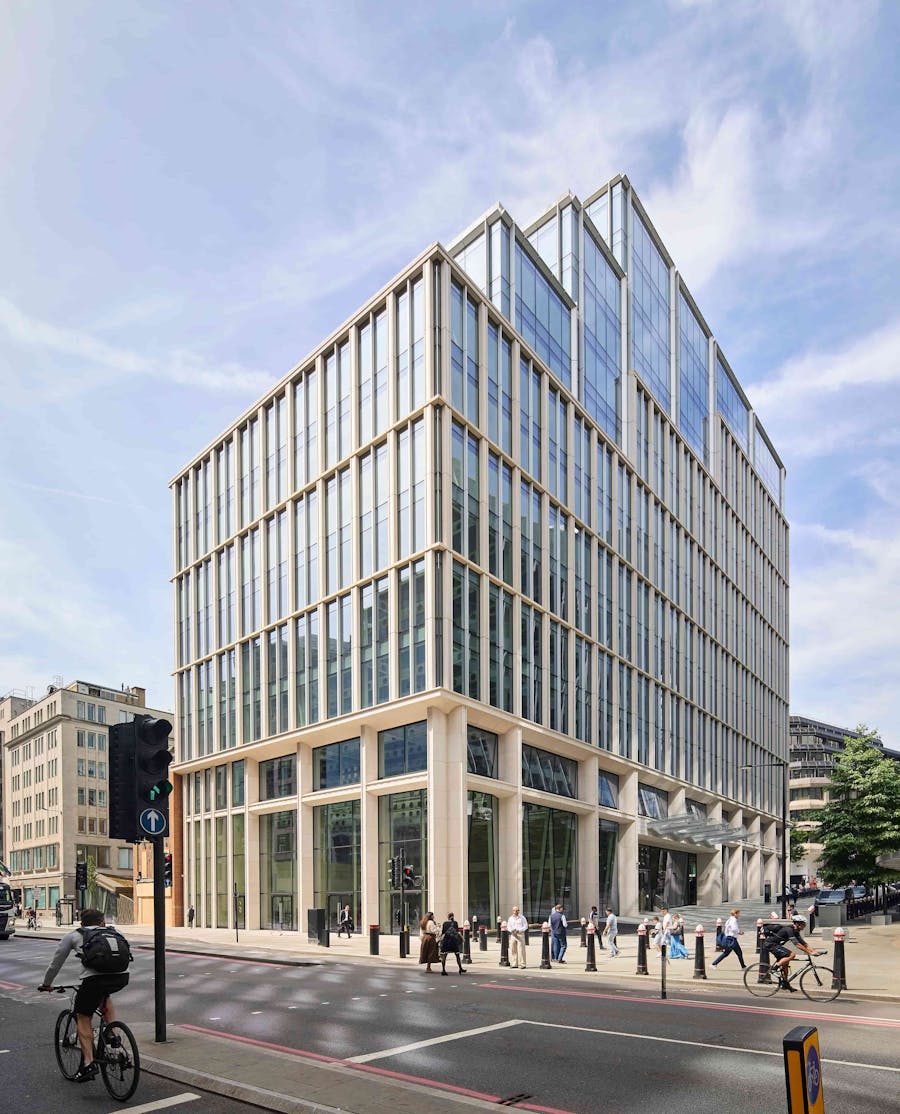
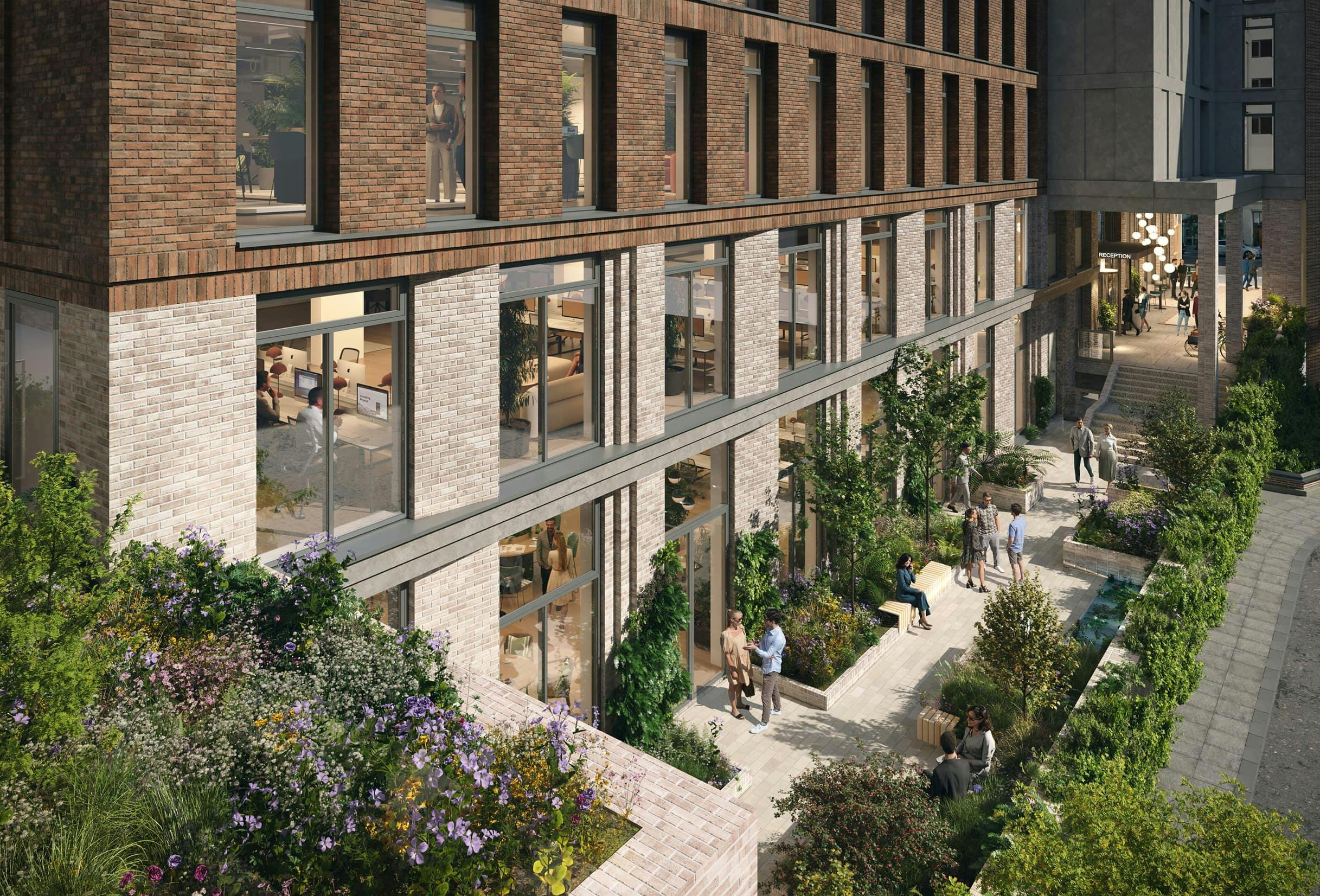
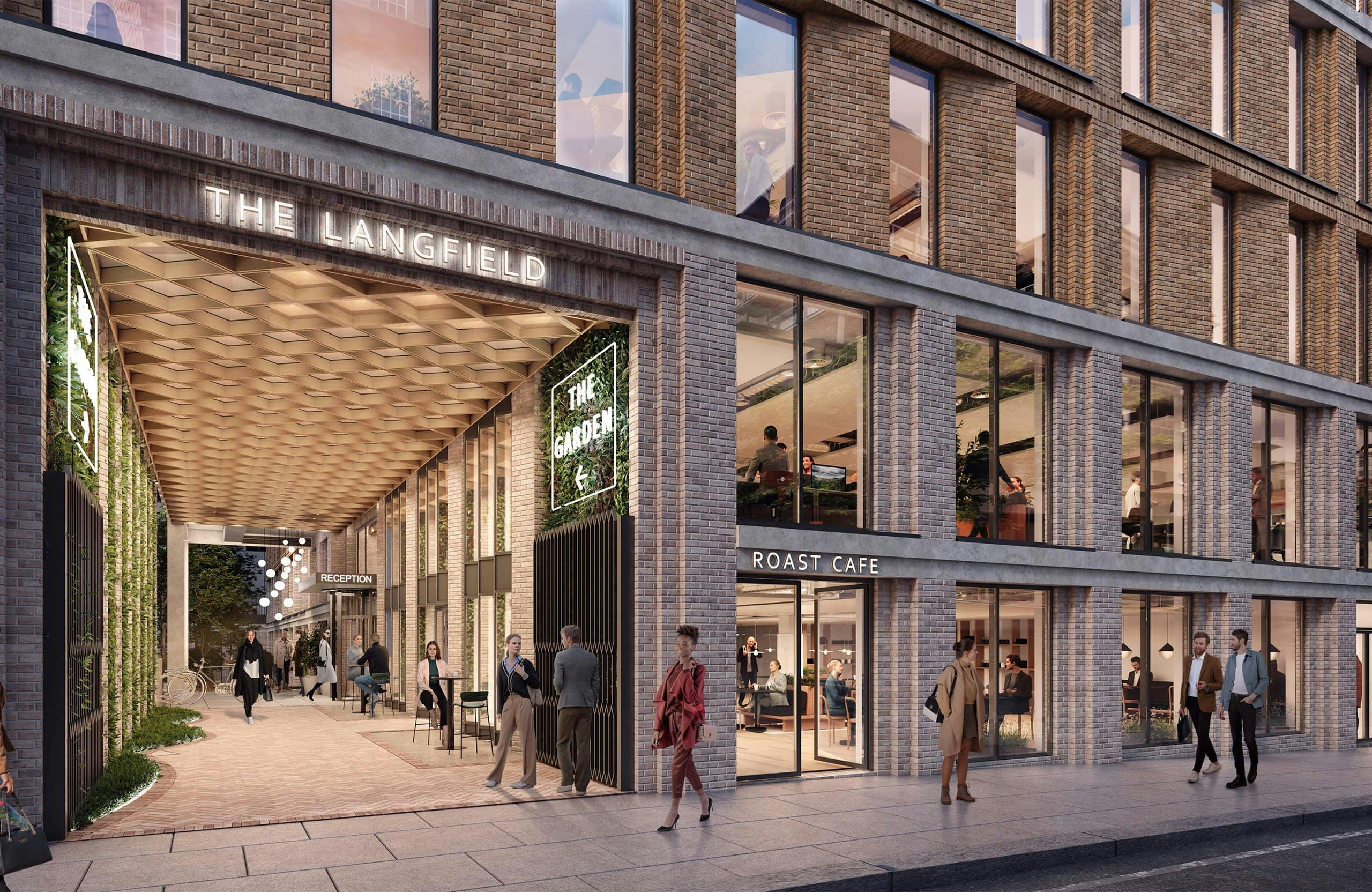
Moments from Victoria Station, The Langfield is an oasis. Combining flexible office levels and co-working with a public café and pocket park, the design turns an impenetrable, empty commercial building into a contemporary workplace with a new sense of civic pride. Its name honours railway architects Sir Charles Langbridge Morgan and Sir Arthur Blomfield, reflecting the site’s heritage and the project’s ambition to unite the architecture of the past and present and bring people together.
David Blair, Director
You must accept functionality cookies to view this content.
The development concept takes the site’s proximity to Victoria Station to draw on its unusual heritage. The station building was originally two competing stations, each designed by a different architect: Sir Charles Langbridge Morgan designed the London, Brighton and South Coast Railway and Sir Arthur Blomfield the Great Eastern Railway. Langfield is a compound of their names, a tribute to the area’s past and symbol of the seamless integration of old and new, as well as the sense of coming together and progress the railways represented.
The basis for the scheme is the transformation of two linked buildings at the end of their life, which were built in 1975 one formerly a cash repository. The design retains structure while transforming the spaces into a much more open, environmentally efficient workplace.
The structural solution retains the majority of the rear building structure and reuses existing foundations, while the new addition to Gillingham Street signals the building’s transformation in brick. The lowest two levels are marked in pale brick, reducing the overall sense of scale and giving the building a more inviting presence from the street.
The workspace spans eight floors, topped by a ninth-floor terrace. Set behind the Gillingham Street façade, the building’s height and massing are respectful of the surrounding neighbours and the historic grain of Westminster.
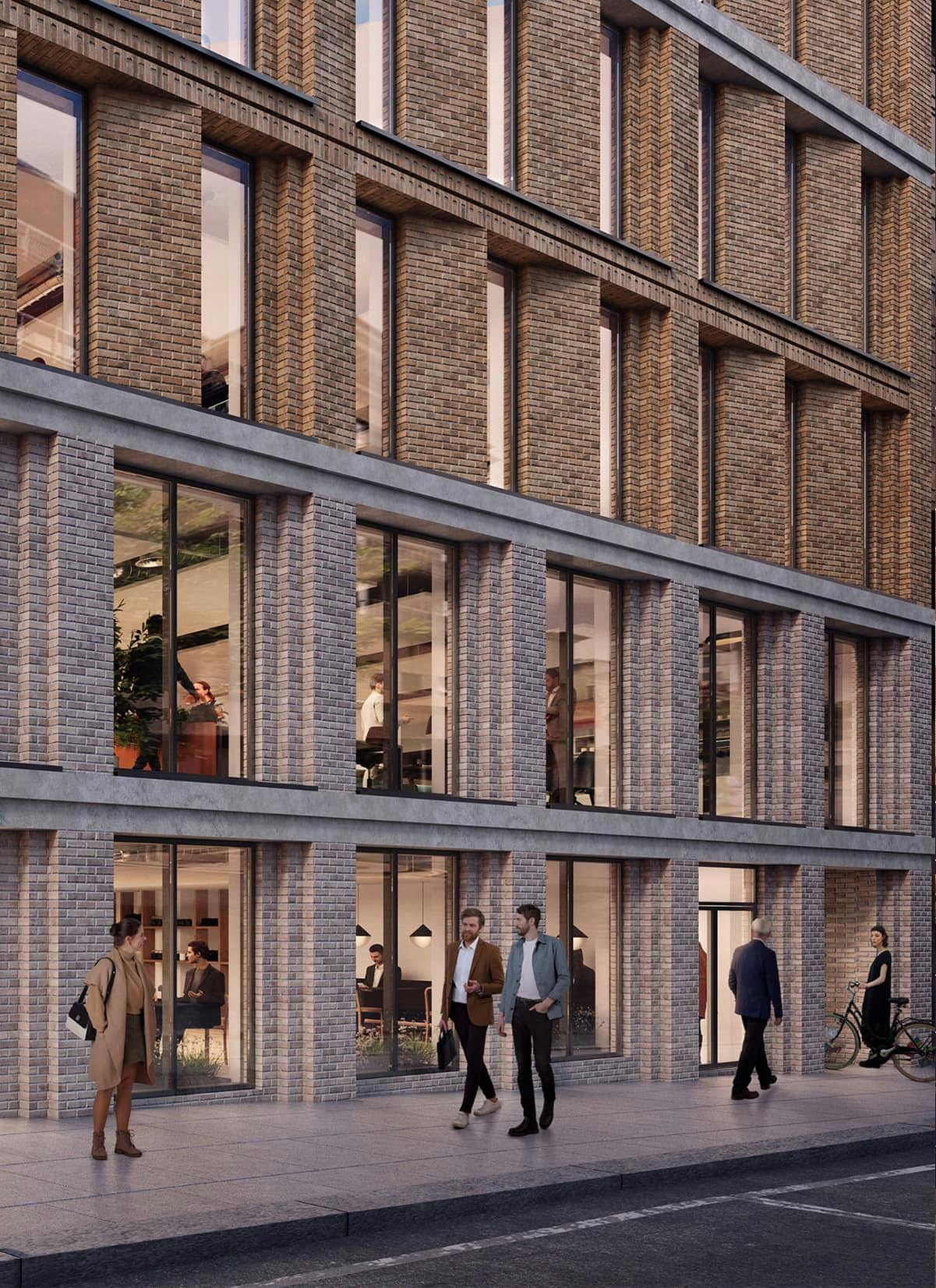
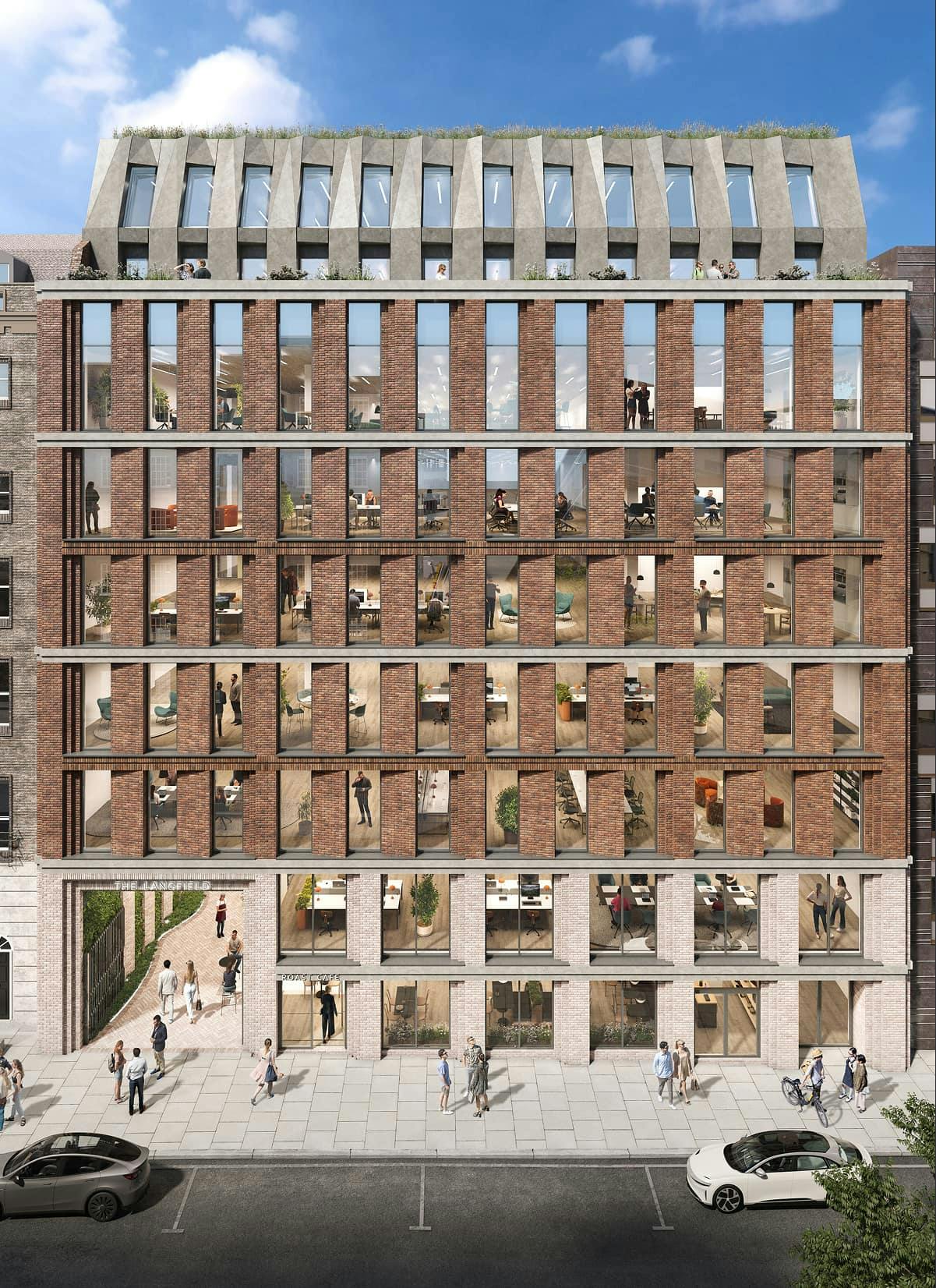
Designed for a high degree of flexibility for future tenants, each floor can be subdivided. The design brings greenery, natural life and activity to the street and opens the building to its surroundings. Access is via a generous covered walkway leading to a café and pocket park, both open to the public, as well as the ground-floor co-working space. Tenants based in the building will also enjoy four additional private roof terraces.
Through creative reuse, the project aims to deliver on an ambitious carbon reduction plan: with embodied carbon of 600kgCO2e/m2 and whole-life carbon of 950kgCO2e/m2, the development will out-perform GLA targets. As well as reducing carbon in the structure, the design team found opportunities to make further reductions through material choices, as well as improving operational performance with upgraded MEP systems. Minimising energy consumption while creating a comfortable place to work, the new façades have been optimised to strike the optimum balance between heat loss, gain and solar comfort.
Sam Watkins, Director